
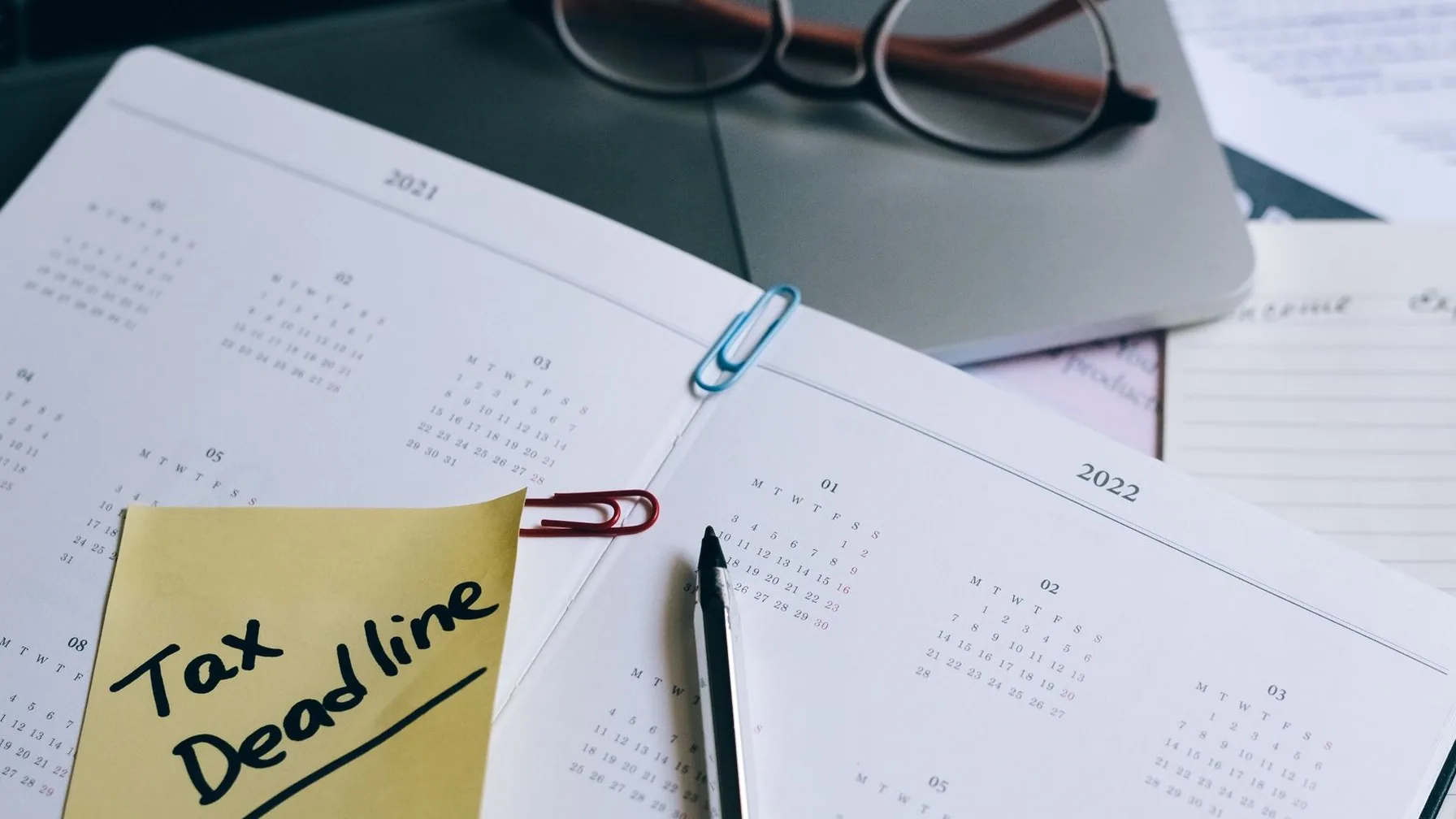
Self Assessment normally has two payment dates: 31 January and, if payments on account apply, 31 July. Knowing which part of your bill is due helps you plan the payment and spot a funding gap early. Filing a return and paying the bill are separate tasks.
Self Assessment payment calendar
For the 2025/26 return and the following payments on account, the usual timetable is:
| Payment date | What may be due |
|---|---|
| 31 January 2027 | The balancing payment for 2025/26, after taking account of payments already made. |
| 31 January 2027 | The first payment on account towards 2026/27, if required. |
| 31 July 2027 | The second payment on account towards 2026/27, if required. |
Check your actual HMRC statement and any notice applying to your circumstances. These are the usual dates, not a substitute for an individual notice. See HMRC’s current Self Assessment deadlines.
Why can the January payment be larger?
January may combine the final amount for one tax year with an advance payment towards the next. Those amounts do different jobs, even though they share a payment date. Our payments-on-account explanation shows how the calculation works and why a first large bill can be unexpected.
Before deciding how to pay, separate the balance from the advance payment on your statement. Ask your accountant to explain a figure you do not recognise. Do not assume that paying the balance also clears an advance payment shown separately.
What is the July Self Assessment payment?
July is normally the second payment on account, rather than a second balancing payment for everyone. Whether you need to make it depends on your position. Use the existing guide to payments on account and your HMRC account to understand the amount.
Allow time for your payment method
The January 2027 date falls on a Sunday, and 31 July 2027 is a Saturday. HMRC says a weekend or bank-holiday payment should reach it on the preceding working day unless you use Faster Payments or debit/credit card payment. Processing times depend on the method. Check HMRC’s payment-method guidance before choosing when to send the money.
A useful preparation checklist is to confirm the bill, check your available funds, choose the payment method, allow its processing time and then check that the payment appears in your HMRC account. Keep confirmation of the payment and investigate a missing allocation rather than assuming it has cleared.
What if you cannot pay by the deadline?
Act before the payment date where possible. Read what to do if you cannot afford your Self Assessment bill and use HMRC’s help for payment difficulties. Paying ahead through a Budget Payment Plan, an HMRC Time to Pay arrangement and external borrowing are different options; our monthly-payment guide explains the distinction.
If the date has passed, check the late-payment penalties and interest guide. The payment type and tax year matter; a charge should not be guessed from a headline percentage.
Considering finance for an eligible bill?
time2pay can arrange finance for all or part of an eligible Self Assessment bill, including payments on account. Funding starts at £5,000 with terms of 3, 6 or 12 months, subject to credit approval. The borrower must be linked to a company, such as a limited company or LLP. A personal guarantee and credit check are required; exclusions apply.
Read the full eligibility and terms or calculate example repayments. Standard application-to-HMRC-payment timing is 1–2 working days; complicated credits may take longer. A last-day application does not guarantee payment by the deadline. time2pay is a credit broker, not a lender, and is independent of HMRC.